Why Properly Sealed Electrical Receptacles Matter in BSL-3 Laboratories

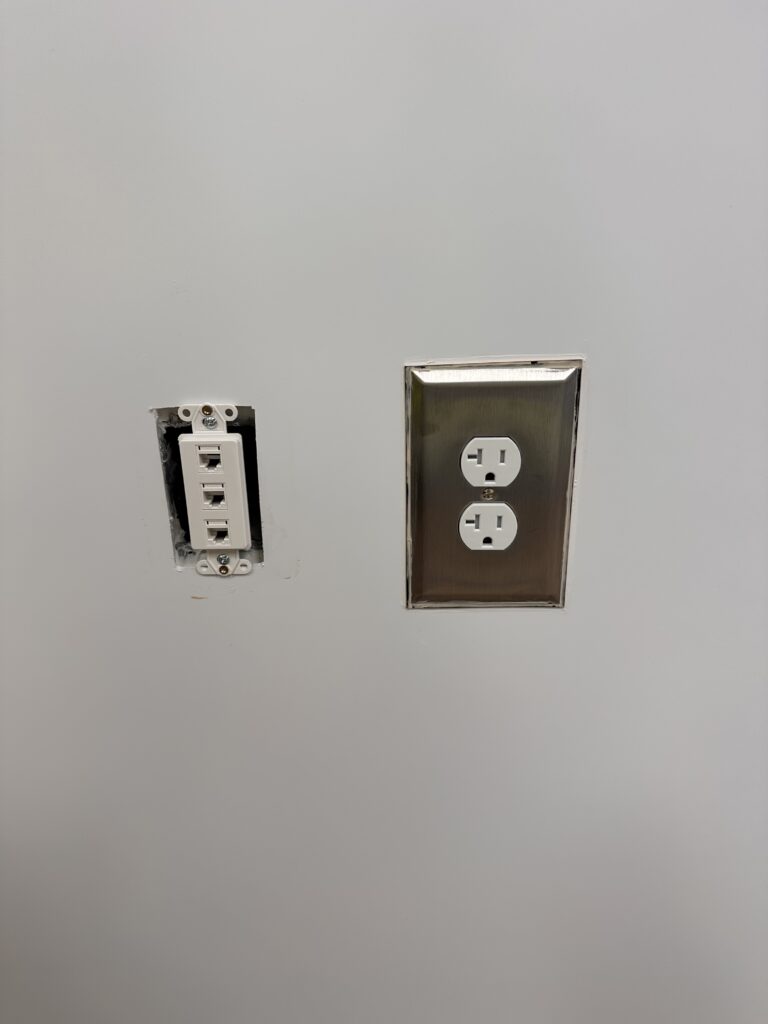
Two electronic wall sockets.

In high-containment laboratories, significant attention is often given to HVAC systems, pressure relationships, HEPA filtration, and room finishes. However, containment integrity can be compromised by something as simple as an improperly sealed electrical receptacle. In Biosafety Level 3 (BSL-3) laboratories, every penetration of the containment envelope—including electrical electrical devices (boxes, switches, receptacles, lights, signal systems, […]

Read More… from Why Properly Sealed Electrical Receptacles Matter in BSL-3 Laboratories

Why Independent Certification Strengthens Biosafety Programs

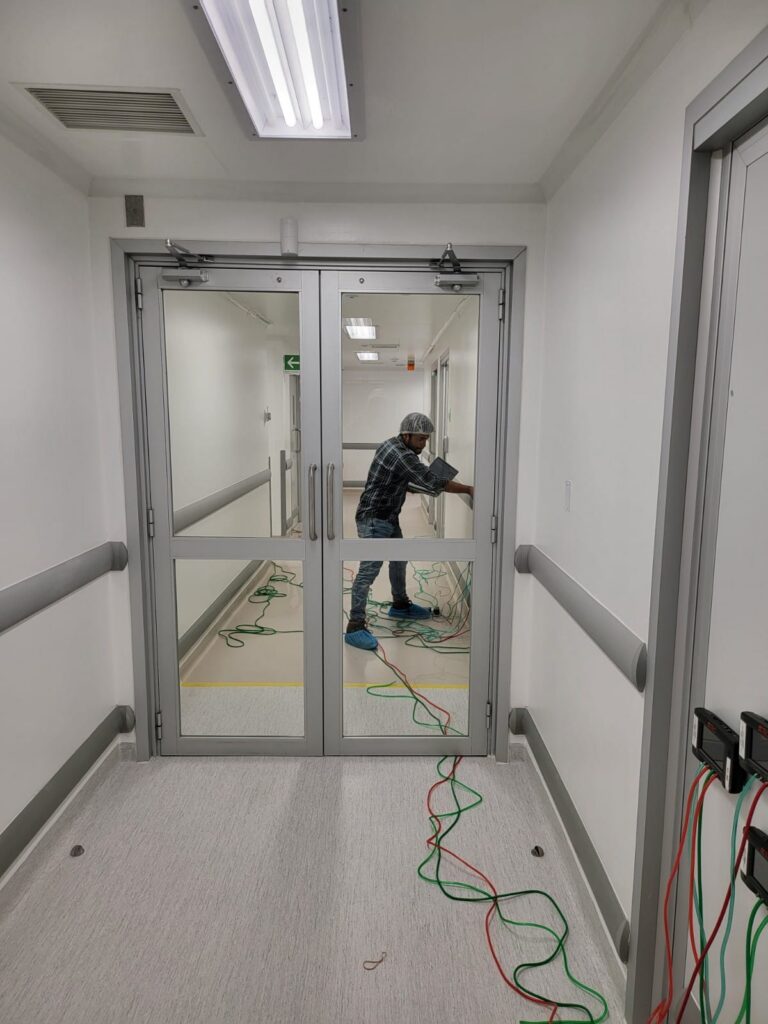
A lab worker working in a lab

Across the world, many laboratories rely on in-house certification programs often supported by building management systems (BMS) and internal maintenance teams to meet annual compliance requirements. While these approaches can satisfy baseline regulatory expectations, they may not always deliver the level of assurance needed in today’s increasingly complex biosafety environment. As laboratories evolve to support […]

Read More… from Why Independent Certification Strengthens Biosafety Programs

Why Biosafety Is Becoming a Boardroom Issue

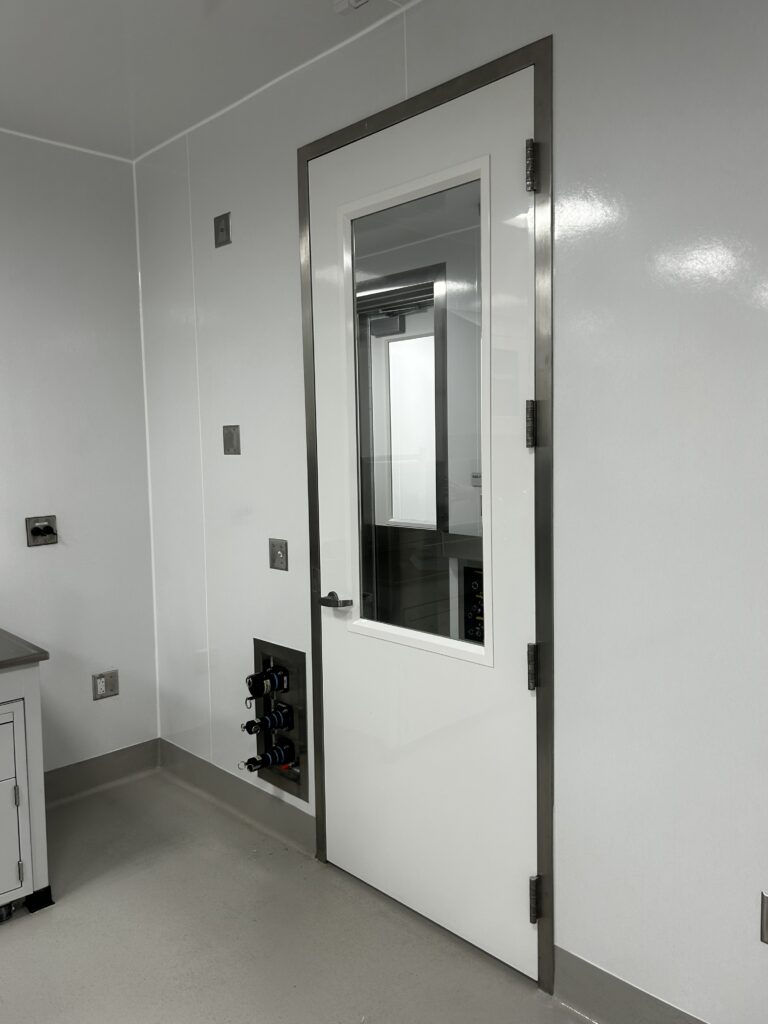
A large meeting taking place in a boardroom

For decades, biosafety lived primarily within the walls of the laboratory—managed by safety officers, addressed during audits, and often viewed as a compliance requirement rather than a strategic priority. That paradigm is shifting. As biological research accelerates and the consequences of incidents, including near misses, grow more visible, biosafety has moved beyond a technical discipline […]

Read More… from Why Biosafety Is Becoming a Boardroom Issue