
Five Design Considerations for Animal Laboratories

female scientist working with a petri dish

At the beginning of the design process, there are many decisions that must be made regarding equipment, sinks, showers, biological safety cabinets (BSCs), and other primary barrier equipment, the configuration of the HVAC system, and contingencies based upon the facility design elements required by the agents that will be worked with or studied. Sustainability, maintainability, […]

Read More… from Five Design Considerations for Animal Laboratories
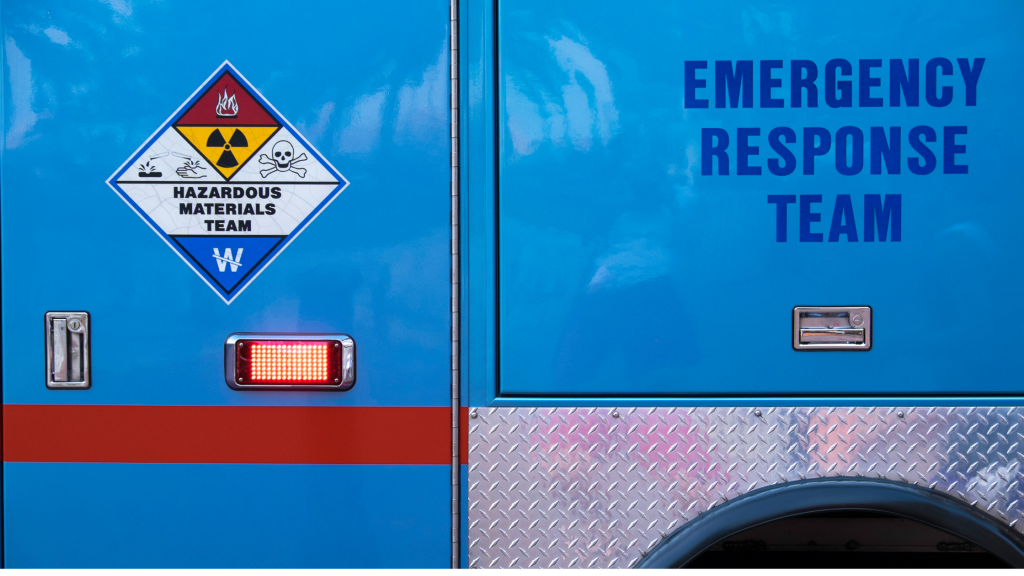
Emergency Extrication from Containment Laboratories

side of a blue emergency response team vehicle

A laboratory team member has collapsed in containment. Will other team members know how to properly extricate and transfer them to emergency services? An important part of laboratory worker safety is emergency preparedness and incident response. An emergency is typically defined as “an event that poses an immediate risk to health, life, property, or the environment.” […]

Read More… from Emergency Extrication from Containment Laboratories

Biosafety and Biosecurity Professional Development Courses

crowd of people listening at a training course

Advancements in biocontainment and biosecurity have emerged as biodefense research rapidly expands. In the past two decades, the global density of biocontainment laboratories has increased and in turn, advancements in laboratory design and methods have materialized. There are approximately 1,500 high-containment laboratories in the U.S. These laboratories are designed for working safely with the most […]

Read More… from Biosafety and Biosecurity Professional Development Courses